
Google Pixel 11 Pro – Has Google Finally Fixed Its Biggest Problems?
The smartphone world’s “Big Three”—Apple, Samsung, and Google—continue to dominate the flagship market. These companies have built powerful ecosystems, loyal fan bases, and premium smartphones that millions of people use every day.
However, are they really offering the level of innovation that users expect?
Apple has its limitations, Samsung has struggled with innovation in some areas, and Google Pixel has faced network, heating, and performance issues for years. Despite these problems, consumers continue to purchase their devices because of their brand value, software experience, camera performance, and overall presentation.
As a long-time Pixel fan, I have always wanted Google to create a truly complete Android flagship. The Pixel series is often called the “Apple of Android” because of its clean software, intelligent features, and software-first approach.
Now, with the Google Pixel 11 Pro, the biggest question is:
Has Google finally solved the problems that have held the Pixel series back for so long?
After spending two days with the phone, here is an early look at its network performance, heating, chipset, camera, design, display, battery life, charging, and software experience.
Google Pixel 11 Pro: Price and Availability in Bangladesh
The Google Pixel 11 Pro has arrived in Bangladesh through Rio International. The approximate price of the device is around ৳140,000.
That is a considerable amount of money, especially for a smartphone that still has some limitations. However, flagship smartphone prices have increased significantly in recent years. Many premium devices now cost ৳10,000 to ৳20,000 more than their previous generations.
The Pixel series also has an interesting position in the Bangladeshi market. Pixel phones are not always extremely popular immediately after launch. Many buyers wait for one or two years before purchasing them, while older Pixel models often become more popular after three or four years when their prices become more affordable.
Whether the Pixel 11 Pro is worth purchasing at launch is a different question. That depends on its long-term performance, network stability, battery life, camera quality, and software experience.
Network Performance: Has Google Finally Solved the Problem?
Network performance has been one of the biggest concerns for Pixel users, particularly those who have used older models such as the Pixel 6 and Pixel 7 series.
In previous Pixel devices, many users reported problems with mobile reception, call connectivity, and mobile-data speeds. Some users experienced weak signals, slow internet speeds, or missed incoming calls even when the phone appeared to have network coverage.
These problems were often connected to the modem technology used in previous generations.
Google relied heavily on Samsung-related chipset and modem technology for its earlier Tensor-powered Pixel smartphones. Compared with some Qualcomm-powered devices, those older modem solutions were often criticized for weaker reception and higher power consumption.
The Pixel 11 Pro takes a different approach. This generation reportedly uses the MediaTek M90 modem, which is a major change from Google’s previous modem strategy.
After two days of use, the early results appear encouraging.
Internet speeds seem to be better, especially when downloading files. Call connectivity also appears more reliable. During the initial testing period, incoming calls connected normally, without the kind of unexplained missed-call problems that some users experienced with older Pixel models.
However, it would be too early to declare the network problem completely solved. Two days of testing is not enough to make a final judgment.
A proper long-term test should examine:
* Call reliability in different locations.
* Mobile-data speed and stability.
* Indoor and outdoor signal strength.
* Network performance while traveling.
* Performance on different Bangladeshi mobile operators.
* Battery consumption during weak-signal conditions.
Early verdict: Network performance appears to be significantly improved, making this one of the most positive first impressions of the Pixel 11 Pro.
Heating: A Major Improvement, but Not Perfect
Heating has been another long-standing problem for Google Pixel smartphones.
Many older Pixel devices could become noticeably warm during gaming, camera use, mobile-data usage, or hotspot activity. In some situations, the phone could heat up even when the user was not performing an especially demanding task.
This was frustrating for users who expected flagship-level thermal performance.
The Pixel 11 Pro appears to be moving in the right direction.
During benchmarking and gaming tests, the phone reached approximately 40–41°C. In comparison, previous Pixel devices were observed reaching temperatures around 44°C under similar demanding conditions.
A reduction of three or four degrees may not sound dramatic, but it can make a noticeable difference during long periods of use. A cooler phone is generally more comfortable to hold and may also maintain performance more consistently.
However, the Pixel 11 Pro still produces noticeable heat. The area around the camera visor can become particularly warm, and the heat remains detectable in the hand during demanding tasks.
Therefore, the heating issue should not be considered completely solved. Instead, Google appears to have reduced it compared with previous generations.
Early verdict: Thermal performance is better than before, but Google still has room for improvement.
Tensor G6 Performance: A Step Forward, but Still Behind the Best
Google’s Tensor processors have always followed a different philosophy.
Rather than focusing entirely on benchmark scores, Google has emphasized artificial intelligence, photography, voice features, security, and software integration.
However, flagship smartphone buyers also expect powerful CPU and GPU performance.
For years, Pixel users have criticized Tensor chips for offering weaker performance than competing flagship processors, particularly in graphics and gaming.
The Pixel 11 Pro introduces the Tensor G6, which is reportedly manufactured using a 3nm process through TSMC. This represents an important change from Google’s previous chipset manufacturing strategy.
The new chip appears to offer a meaningful improvement in CPU performance. Overall system performance is also better than before, suggesting that Google’s new approach could be beneficial.
However, the GPU remains a major weakness.
In terms of overall performance, the Tensor G6 may approach the level of some older Snapdragon 8-series flagship processors. But when it comes to graphics performance, it still falls behind the best competing chips.
This means that users who prioritize demanding games, high frame rates, and sustained graphics performance may still find the Pixel 11 Pro less impressive than certain competing flagship smartphones.
The positive news is that Google now has more room to improve its chip design and manufacturing process. The move to TSMC could create opportunities for better performance, efficiency, and thermal management in future generations.
Early verdict: CPU performance has improved, but the GPU remains a significant weakness. Tensor is getting better, but it has not yet become a performance leader.
Design and Build Quality: Premium in Every Way
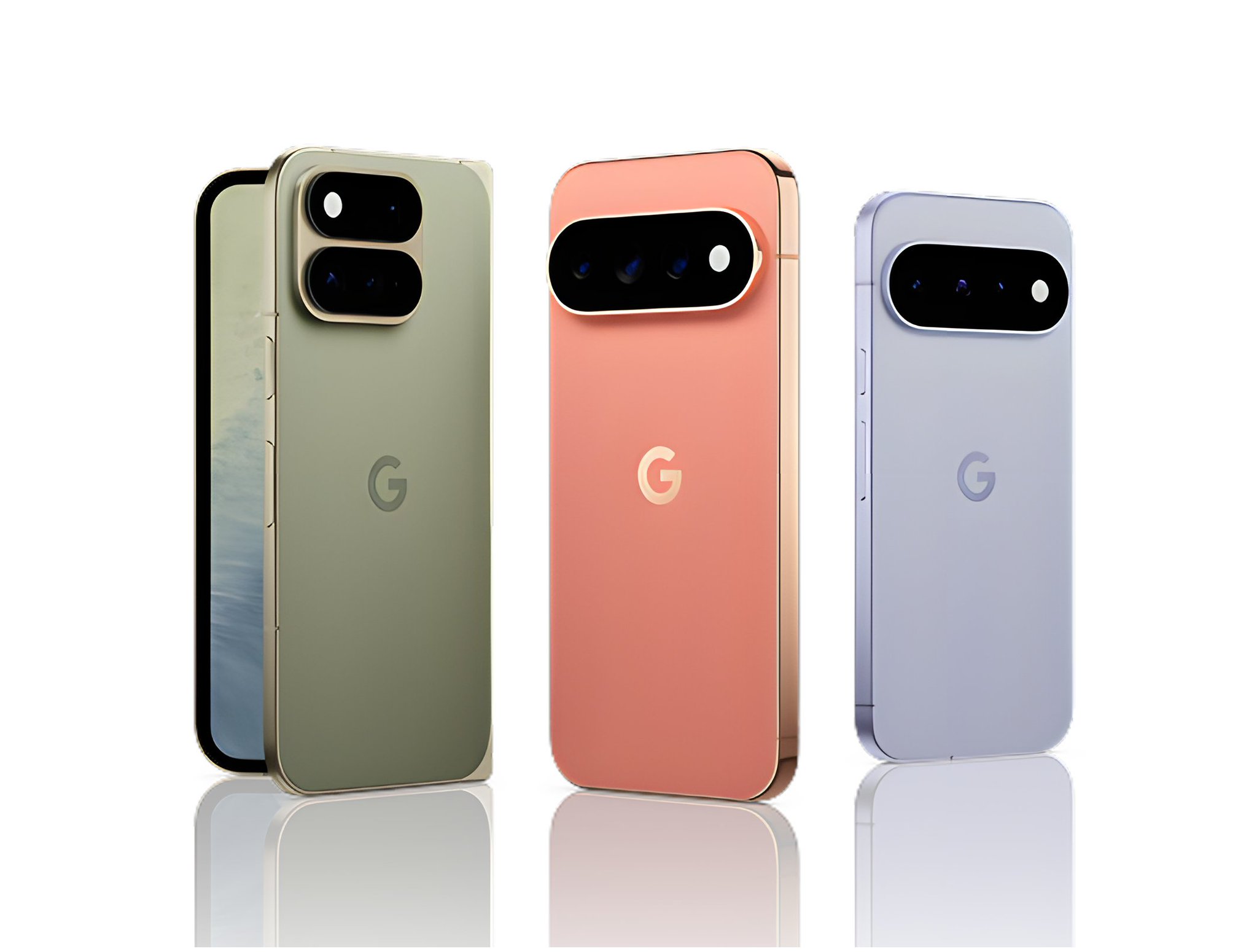
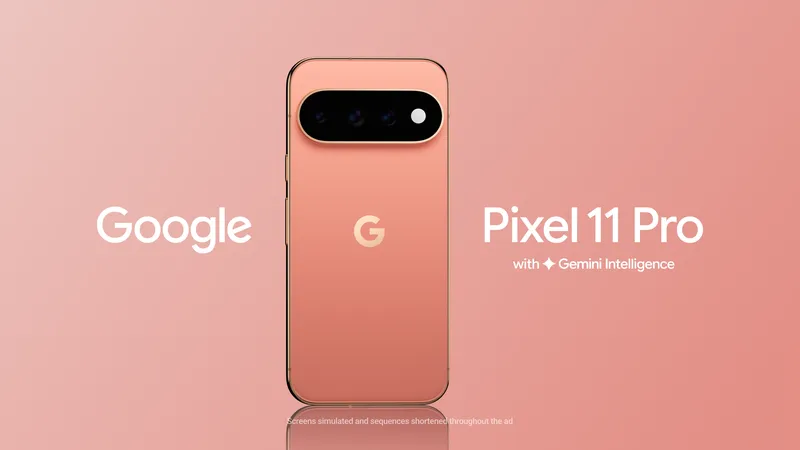
The Google Pixel 11 Pro features a clean, refined, and premium design.
The phone uses a glass-and-aluminum construction, with a smooth frame and rounded corners that make it comfortable to hold. The overall build quality feels excellent, and Google has not made major compromises in this area.
The device weighs approximately 204 grams, giving it a solid feel without making it excessively heavy.
The rear panel has a matte finish, which helps reduce fingerprints and gives the phone a more premium appearance. The device is available in several attractive colors, including a subtle “Fog” shade and a matte black option.
The camera visor remains one of the most recognizable features of the Pixel series. Some people may love this design, while others may prefer a more traditional camera arrangement.
The phone also offers IP68 water and dust resistance, which is expected from a modern flagship device.
One design detail may take some time to get used to: the power button is positioned above the volume rocker. Users who are accustomed to the opposite arrangement may initially press the wrong button.
After a few days, however, this should become a minor issue.
Early verdict: The Pixel 11 Pro offers excellent build quality, comfortable handling, and a premium flagship design.
Display and Audio: Beautiful, but Missing Some Innovations
The Pixel 11 Pro features a 6.3-inch OLED display with a 120Hz refresh rate. The panel offers a high resolution, HDR10+ support, and the smooth scrolling experience expected from a premium smartphone.
Brightness has also improved compared with previous generations. Under certain conditions, peak brightness may reach approximately 1,800–1,900 nits, although actual brightness depends on the display mode, content, and surrounding environment.
Outdoor visibility appears to be good, and the display delivers the strong contrast, deep blacks, and vibrant colors expected from an OLED panel.
The stereo speakers are also impressive. Sound quality is clear, and the overall audio experience feels appropriate for a premium smartphone.
Google has traditionally performed well with haptic feedback, and the Pixel 11 Pro continues that trend. The vibration motor feels strong and precise, adding to the premium experience.
The fingerprint sensor is another area of improvement. The ultrasonic fingerprint sensor offers faster and more reliable unlocking than some older Pixel models.
Face unlock has also become more useful, recognizing the user more easily in everyday situations.
However, the display still lacks some features that competitors are introducing.
For example, Samsung has moved toward privacy-focused display technology on certain flagship models, while Apple has introduced more advanced front-camera and display solutions. Google could have used this generation to introduce more significant display innovations.
The punch-hole camera is also relatively large for a premium smartphone.
Early verdict: The Pixel 11 Pro has a beautiful and smooth display with excellent audio and haptics, but Google could have offered more innovation.
Camera Performance: Still One of Pixel’s Strongest Features
The camera system remains one of the biggest reasons to buy a Google Pixel smartphone.
The Pixel 11 Pro features a triple-camera setup consisting of a 50MP primary camera, a 48MP ultrawide camera, and a 48MP telephoto camera. The telephoto lens offers 5x optical zoom, while the phone supports up to 12x zoom.
Google has also introduced 8K video recording at 30 frames per second across the rear cameras.
The hardware has been upgraded, including a larger sensor in the primary camera and improvements to the telephoto system. However, Google’s greatest strength continues to be its image-processing software.
Daylight Photography
In daylight, the Pixel 11 Pro produces attractive images with strong dynamic range, good contrast, and detailed processing.
Pixel photography often has a distinctive look. Some users appreciate its natural colors, while others prefer the sharper and more heavily processed images produced by competing brands.
Compared with Samsung and Apple, the Pixel 11 Pro can deliver impressive results. In certain situations, it may even outperform them. In other situations, competing phones may produce better images.
The smartphone camera market has become extremely competitive, especially with brands such as Vivo making major improvements in photography.
As a result, reaching the very top of the flagship camera market is becoming increasingly difficult.
Low-Light Photography
Low-light photography has traditionally been one of the strongest areas of the Pixel series.
The Pixel 11 Pro continues to produce impressive results in darker environments. Early comparisons with the Vivo X300 suggest that the Pixel remains highly competitive in low-light photography.
Google’s computational photography technology helps improve brightness, detail, contrast, and overall image quality in challenging lighting conditions.
Ultrawide Camera
The ultrawide camera is useful for landscapes, group photos, buildings, and other situations where a wider field of view is necessary.
However, the ultrawide camera does not appear to represent a revolutionary upgrade. While the images are usable and attractive, sharpness and fine detail may not always match the primary camera.
This is an area where Google could make further improvements in future generations.
Telephoto and Portrait Photography review
One of the most welcome improvements is the ability to take portrait photographs using the 5x telephoto camera.
Older Pixel models had a frustrating limitation: despite having a telephoto lens, users could not always use it for portrait photography.
The Pixel 11 Pro addresses this issue through a software update. Portrait photographs taken with the telephoto lens look natural, detailed, and visually pleasing.
Google’s image-processing algorithms continue to be one of the company’s biggest advantages.
Video Recording
Video recording has also received some important upgrades.
The addition of 8K recording is a major step forward, and portrait video is now available. Manual controls have also improved, allowing users to adjust more aspects of their photography and video experience.
However, several limitations remain:
* Lens switching is not as smooth as it could be.
* Log video recording is still missing.
* The front camera does not feel as impressive as the rear camera system.
* More advanced video controls would be welcome.
* Video performance still needs to be compared directly with the latest iPhone and Samsung flagship models.
Early verdict: The Pixel 11 Pro has a powerful camera system, especially for still photography and low-light images. However, Google still has work to do in video recording and front-camera performance.
Highlight: A Small but Interesting New Feature
Google has introduced a feature called Highlight, which adds a visual layer to certain interactions.
When users communicate with Gemini or perform specific tasks, the phone can display changing colors or lighting effects. The feature supports multiple colors and creates a more interactive experience.
It can also work with favorite contacts. For example, when a selected contact calls while the phone is placed face down, the Highlight effect can help identify the caller.
The feature can also provide a visual indication when using the camera timer.
Highlight is not a revolutionary feature, but it adds a unique touch to the Pixel experience.
Charging and Battery Life: Still a Weak Point
Charging speed remains one of the biggest disappointments of the Pixel 11 Pro.
The phone supports approximately 30W wired charging, with a short-term peak that may reach around 35W under certain conditions.
Compared with many competing flagship smartphones, this is not particularly impressive. The wider smartphone market has continued to move toward faster charging, while Google remains relatively conservative.
The Pixel 11 Pro can take around one to one and a half hours to reach a full charge, depending on the charger, cable, temperature, and charging conditions.
Google has introduced an enhanced fast-charging mode that can provide a short burst of higher charging speed. However, this does not fundamentally change the overall charging experience.
Wireless charging has also improved, with support for approximately 25W wireless charging using compatible hardware.
However, wireless charging can produce additional heat, which is not ideal for a phone that has historically struggled with thermal performance.
Battery Life
Battery capacity has not increased significantly, and early usage suggests that battery life remains similar to previous generations.
Users may achieve approximately six hours of screen-on time under certain usage patterns. Actual battery life will vary depending on network conditions, brightness, gaming, camera usage, background activity, and other factors.
For moderate users, the phone should last through a typical day. Heavy users may need to recharge before the end of the day.
Google could have introduced a more significant battery upgrade or adopted newer battery technology to improve endurance.
Early verdict: Battery life is acceptable, but charging speed and battery innovation remain behind the competition.
Software: The Real Reason to Buy a Pixel
If the Pixel 11 Pro has one truly outstanding advantage, it is the software experience.
Google’s software is the heart of the Pixel series. While the hardware may have limitations, the software often makes the phone feel special.
The Pixel 11 Pro runs Android 17 and is expected to receive seven years of major operating system and security updates. This long-term software support is a major advantage for buyers who want to keep their smartphone for many years.
Google also continues to introduce intelligent features that are deeply integrated into the operating system.
Rambler: Smarter Voice Typing
Rambler is one of the most interesting software features.
It allows users to speak naturally, even when their thoughts are unorganized. The system can transform casual speech into a more structured and readable format.
This can be useful for writing messages, creating notes, preparing articles, and organizing ideas. The feature may also integrate with multiple applications, making it more useful in everyday work.
However, Rambler is token-based, meaning users may face limitations after reaching a certain usage threshold.
Its performance with Bengali speech is another important question. Google’s regular voice typing has not always worked perfectly with Bengali, so more testing is needed to determine how useful Rambler will be for Bangladeshi users.
Magic Capture
Magic Capture is another interesting addition.
The feature can record a moment and capture multiple images. It then uses artificial intelligence to select the best moment and save it to the gallery.
It is similar in concept to other smart photography features, but Google’s implementation is designed to work closely with the Pixel camera and software ecosystem.
This could be particularly useful for photographing children, pets, sports, or moving subjects where it is difficult to capture the perfect frame at the right moment.
Titan M3 Security and Post-Quantum Protection
Security is another important part of the Pixel 11 Pro experience.
The phone includes the Titan M3 security chip, which is designed to protect sensitive information and improve device security.
Google has also introduced additional security measures related to post-quantum cryptography. The purpose of this technology is to prepare digital security systems for future threats from increasingly powerful computing technologies.
These improvements may be important for secure boot processes, data protection, and long-term device security.
However, no security system is completely invulnerable. The practical value of these features will depend on implementation, software updates, and independent security testing.
Is the Google Pixel 11 Pro a Major Upgrade?
After reviewing the early experience, the Google Pixel 11 Pro appears to be more of an incremental upgrade than a revolutionary one.
The phone improves several areas that needed attention:
* Better network performance.
* Reduced heating.
* Improved CPU performance.
* A more reliable fingerprint sensor.
* Better portrait photography with the telephoto camera.
* 8K video recording.
* More advanced AI and software features.
* Strong long-term software support.
However, several weaknesses remain:
* GPU performance is still behind the competition.
* Charging speed is relatively slow.
* Battery life is not revolutionary.
* The ultrawide camera is not a major upgrade.
* The front camera could be better.
* Advanced video features are still limited.
* The display lacks some innovations found on competing flagships.
The Pixel 11 Pro is therefore not a perfect smartphone. It still has weaknesses, particularly for users who prioritize gaming, fast charging, battery endurance, and advanced video recording.
Final Verdict
The Google Pixel 11 Pro is a more mature and refined Pixel smartphone.
Google appears to have made meaningful progress in network performance and thermal management. These improvements are especially important because they address two of the biggest complaints from previous Pixel users.
The Tensor G6 also offers better CPU performance, although the GPU remains behind the leading flagship processors. The camera system continues to be one of the phone’s strongest features, especially for daylight photography, low-light photography, and computational image processing.
However, the Pixel 11 Pro still feels like an evolution of the Pixel 10 Pro rather than a completely new generation.
The software experience remains the main reason to choose Pixel. Android 17, long-term software updates, Gemini integration, AI-powered tools, and Google’s clean user interface make the phone unique.
But if you are searching for the best gaming performance, the fastest charging, the longest battery life, or the most advanced video system, other flagship smartphones may still offer more.
The Pixel 11 Pro is a strong step forward, but it is not yet the perfect Android flagship.
A complete verdict will require longer network testing, detailed battery analysis, extensive gaming sessions, camera comparisons, and a direct comparison with the latest iPhone, Samsung Galaxy, and Vivo flagship models.
Until then, the Pixel 11 Pro looks promising—but buyers should carefully consider its strengths and weaknesses before spending around ৳140,000 on the device.